



2026/10/15
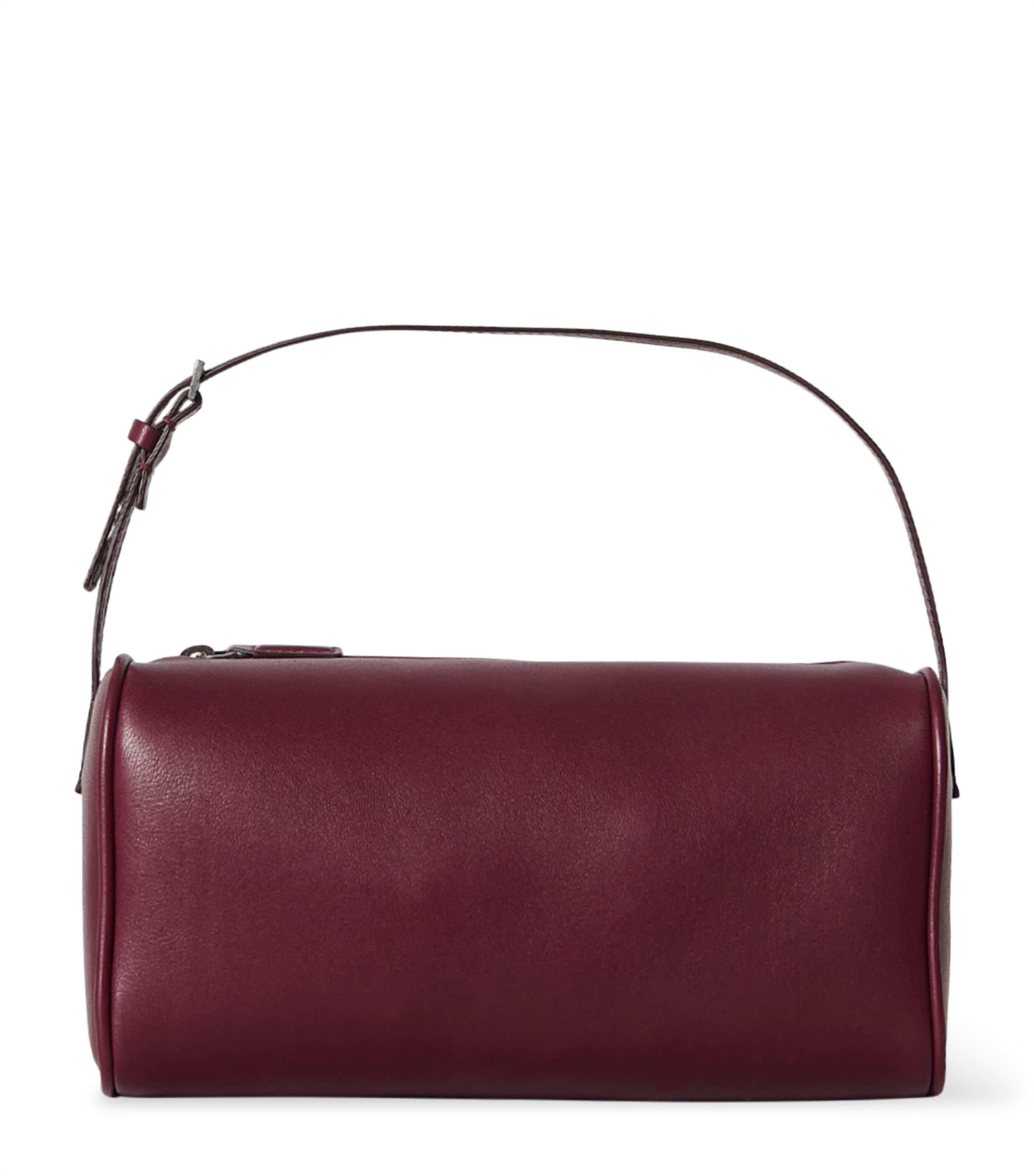
The Row has turned into shorthand for a distinct dressing philosophy: understated, deliberate, and made to survive shifting trends. Instead of chasing branding or seasonal novelty, the Olsen sisters established the label with an emphasis on tailoring, textile weight, and proportion. This ethos establishes The Row as a logical starting point for those assembling a capsule wardrobe in 2026. A capsule built around a handful of The Row pieces tends to work harder than a closet full of disconnected trend purchases, because the tailoring and neutral palette allow everything to talk to everything else. This article lays out how to think about assembling that wardrobe, where handbags fit into the equation, and how to be strategic about spending, which means staying alert to a row sale.
Repeated shapes, varied execution is the launching pad for any capsule: an identical silhouette is offered in marginally distinct fabrics or lengths, letting pieces rotate without feeling redundant. Naturally, The Row builds around this idea. A wide-leg trouser, a boxy blazer, a silk shell, and a long coat make up the framework of an entire season, and because the color range seldom departs from ivory, black, camel, and grey, mixing and matching requires barely any deliberation. This runs counter to fast-fashion thinking, where a garment is often worn a limited number of times before being swapped out. Buying fewer things and wearing them more often is what The Row’s design philosophy calls for — a genuinely different way to shop.
There’s likewise a functional rationale worth noting. Where thinner, cheaper fabrics fail to manage, weightier silk crepes, densely woven wools, and leathers with real structure retain their silhouette through repeated washes and successive seasons. Such resilience is part of what justifies the pricing for buyers who the row bags quilted tote bags are building slowly instead of purchasing it all in one go. When you look at cost-per-wear rather than sticker price alone, a single quality-made coat replacing three or four inferior ones over the span of a decade alters the equation quite a bit.
If you’re starting from zero, sequence matters. Outerwear and trousers tend to deliver the most visible return because they’re worn most frequently and are hardest to get right elsewhere. A tailored coat in a neutral tone is usually the first purchase people make, followed by a pair of trousers cut to sit at the natural waist with a straight or wide leg. From there, a silk or cotton poplin shirt adds versatility for both desk-to-dinner dressing and more casual pairings with denim.
After those five essentials are in place, the closet reads as full instead of thin, notwithstanding the limited overall piece count. Adding a knit sweater and a slip dress rounds things out for most climates and occasions, but the five items above do the heaviest lifting.
Any conversation about The Row falls short if it skips handbags, because many shoppers first encounter the brand this way ahead of any ready-to-wear purchases. Within the luxury market, The Row’s bags hold a distinct place: understated hardware, silhouettes that range from structured to slouchy depending on the piece, and leather selected for its long-term aging rather than its first-day appearance. Look up „best row bags” or „top row bags” and you’ll keep landing on the same handful of names — the Margaux, the Sofia, and various tote styles — because the label deliberately keeps its bag offerings tight instead of expansive.
The Margaux is probably the most discussed of the row handbags, mostly due to its relaxed, open-top build and how it’s crafted from one oversized panel of leather. It’s common for shoppers to ask where The Row Margaux bag can be found, and the honest answer is that availability fluctuates — purchases can be made through the brand’s boutiques and website or a handful of authorized luxury sellers, and particular hues or sizes can vanish from stock and reappear unpredictably. If a specific size or leather finish matters most to you, scanning multiple authorized sellers rather than relying on one site will spare you time.
Setting the Margaux aside, the brand’s tote bags take on a separate function in a capsule wardrobe — they’re the workhorse pieces meant for daily carry rather than occasion dressing. Made from tough leather, a tote can handle years of commutes, laptop-toting, and daily wear that a fragile evening bag couldn’t survive, so if you’re only allowed one bag purchase in your capsule-building year, a tote tends to be the more justifiable pick purely on practicality.
Since online discussions surveying the row bags can quickly become overwhelming, laying the key styles out side by side makes things clearer. The table below breaks down the most commonly discussed options in terms of use case, rather than pricing, since cost fluctuates based on the leather used, the hardware finish, and seasonal availability.
| Silhouette Category | Best Suited To | Silhouette | How Practical It Is Day-to-Day |
|---|---|---|---|
| Margaux | Editorial styling combined with refined daytime styling | Slouchy, top-unfastened tote | Fairly average — unclosed opening results in reduced protection for important belongings |
| Sofia | Office plus day-to-day tasks | Tailored, top-handle construction | High — shuts tightly, maintains structure |
| Styles from the Classic Tote line | Regular toting, travel, as well as daily commutes | Rectangular, generously sized inner space | Very high — engineered for capacity as well as durability |
| Mini-sized shoulder styles | Nighttime and occasion dressing | Small-scale, solo strap | Limited — deliberately scaled-back carrying space |
Examining the table, the trend is pretty evident: the more architectural the bag, the more it works as a everyday essential, while the softer and more understated styles gravitate toward attention-grabbing pieces worn less frequently but captured on camera more. A thoughtfully curated edit usually includes one from each end of that spectrum — one reliable staple plus one eye-catching design — rather than several bags that all serve the same function.
Because The Row doesn’t discount aggressively or often, timing a purchase matters more here than with brands that run frequent promotions. A row sale, when it happens, tends to be tied to end-of-season clearance through the brand’s own site or through department stores and luxury e-tailers that carry the line, and stock during these windows is limited and unpredictable. Signing up for alerts from a few authorized retailers is a more reliable strategy than waiting on any single site, since inventory differs from seller to seller.
Building a capsule wardrobe ought to take into account the resale market. Durability-focused design is part of how The Row builds its garments and bags, which is why they tend to hold worth fairly well relative to more fashion-forward luxury goods. Secondhand platforms, as a result, can be a legitimate means to reach pieces at a lower entry point, especially for bags from prior collections that have since been discontinued. One should confirm authentication policies prior to purchasing pre-owned, as counterfeits have grown more common within secondhand channels due to demand for row handbags.
Ultimately, patience pays off in a way it doesn’t with speedier brands. Given that the overall style doesn’t change much season to season, there’s little risk in being patient for the correct sizing, material, or shade to become available rather than accepting whatever’s currently available. A capsule wardrobe, by definition, doesn’t come together in a single shopping trip — it’s assembled across years and months, item by item, with each addition selected because it really expands what you can already wear. The Row’s own whole approach to design rewards that kind of careful, patient approach far more than it rewards spur-of-the-moment shopping.

Partnereink



Szólj hozzá!